Well-being
-

Caregiving With Confidence
Making Rest RoutineHealthy sleep habits should be an important part of self-care for caregivers.
by Aimee Swartz
-

From the Editor-in-Chief
Improving Health After TreatmentThe U.S. health care system must adapt to the needs of cancer survivors.
by William G. Nelson, MD, PhD
-
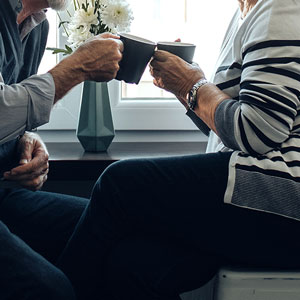 Staying Close Through Cancer
Cancer and its treatment can hinder sexual intimacy, but help is available. Talking about the problem is the first step.
by Cameron Walker
-
 Putting Chemotherapy Side Effects on Ice
A small study shows that keeping ice chips in the mouth during oxaliplatin chemotherapy may prevent cold sensitivity, a common oral side effect.
by Anna Azvolinsky
-
 Coping With Trauma
Nearly six years after being diagnosed with stage IV colon cancer, disaster psychologist Jamie Aten is still learning new ways of coping with the trauma stemming from his diagnosis and treatment.
by Jamie Aten
-

Q&A
A Critical ConversationPalliative care specialist Jessica Nutik Zitter offers tips to help ensure that patients' values guide end-of-life decisions.
by Marci A. Landsmann
-
 Lung Cancer and Stigma
Clinical health psychologist Jamie Ostroff discusses how feelings of blame surrounding a lung cancer diagnosis affect physical and mental health.
by Jen Tota McGivney
-

Forward Look
Back to SchoolPediatric oncology providers vary in their recommendations on school attendance.
by Melinda Mahaffey Icden
-
Your Cancer Guide
Gathering PerspectiveA second opinion can provide additional information to determine the best treatment course.
by Hester Hill Schnipper
-
Caregiving With Confidence
Make Your Mental Health a PriorityRecognize the signs of a serious mental illness and get help if you need it.
by Lisa O’Leary