

-
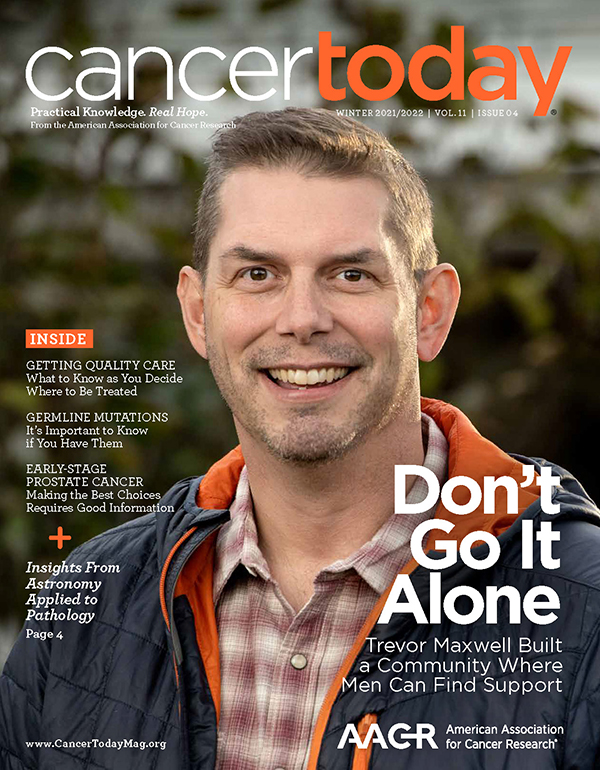
 What to Do About Lymphedema?
In a randomized study, weight loss and home-based exercise did not improve lymphedema symptoms in breast cancer survivors.
by Anna Azvolinsky
-
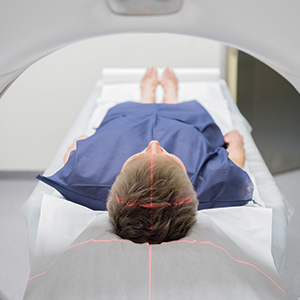 Keeping an Eye on Cancer
Imaging tests for post-treatment surveillance may come with radiation exposure, financial strain, “scanxiety” and sometimes unnecessary follow-ups. Doctors and patients need to balance the risks and benefits of scanning.
by Charlotte Huff
-
Survivor Profile
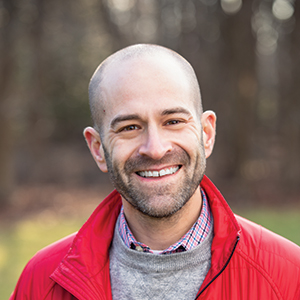
A Lesson in ServiceRabbi Ben David was comfortable in his role of helping those in need, but he had to rely on others after his lymphoma diagnosis. The marathon runner has returned to an active life one step at a time.
by Lindsey Konkel
-
 Finding Support in Unlikely Places
After her diagnosis with ovarian cancer, Patricia Anne Ward noticed that some friends and family pulled away. She found connection outside her usual circles.
by Patricia Anne Ward
-
 The Patient Perspective
Patient-reported outcomes may help shape the future of cancer care.
by Stephen Ornes
-

Healthy Habits
Fiber’s BenefitsEating more roughage may yield benefits following a colorectal cancer diagnosis.
by Lindsey Konkel
-

Sound Advice
Spring 2019vol 09 | issue 01
Experts offer advice on celebrating a “cancerversary,” responding to questions from friends and family, and supporting a friend when they stop treatment. -

Get Involved
Happy CampersChildren affected by a parent's cancer get a unique summer camp experience at Camp Kesem.
by Hanna Greeman
-
 Do Patients Want Online Access to Test Results?
A survey finds many patients prefer talking through imaging findings related to cancer with their physician rather than viewing reports online—but only if the wait for results is short.
by Cindy Kuzma
-

Sound Advice
Winter 2018/2019vol 08 | issue 04
Experts offer advice on accompanying a friend to a doctor's appointment, responding to a no evidence of disease diagnosis, and sharing the results of genetic testing.
Legislation to speed cancer drug development for children and adolescents requires drug companies to test drugs in children, but trials in people under 18 may take years to generate results.
by Marci A. Landsmann
Understanding Stress and CancerA symposium at the AACR Annual Meeting explores how social factors contribute to elevated risk of cancer in some populations.
by Eric Fitzsimmons
Exploring Amino Acids’ Impact on Tumor GrowthResearchers are investigating how to match specific dietary changes with therapy to impede cancer progression.
by Thomas Celona
Study Shows Minority Participation in Clinical Trials May Be DecliningResearcher speculates that costly genetic testing may be limiting outreach to underserved communities.
by Marci A. Landsmann
-
 Using Lymphocytes to Attack Tumors
Sooner rather than later may be the best strategy for using an experimental treatment for advanced melanoma.
-
 Closing Disparities Through Genetic Testing
Olufunmilayo Olopade seeks widespread use of testing to encourage prevention and early detection of deadly cancers.
Learning Medicare’s ABCDs
