

-
 Using Leftover Cancer Drugs to Help Others
Cancer drug repositories that accept unused drugs could provide an affordable source of medications for patients in need, while also providing patients left with extra drugs a way to give back.
by Jon Kelvey
-

Your Cancer Guide
Do You Need to Talk?Follow these steps to find a therapist who can meet your needs.
by Hester Hill Schnipper
-

Caregiving With Confidence
Take Financial InventoryTreatment-related expenses can increase stress on both caregivers and patients. Learning to talk about these concerns may help ease the burden.
by Aimee Swartz
-
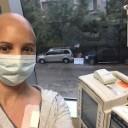 Facing Cancer and a Pandemic at the Same Time
Cancer patients and their families share stories of fear, love and uncertainty as they find new ways to support each other.
by Jen Tota McGivney
-
 Virtual Connection in a Time of Social Distance
Responding to the coronavirus, patient advocates and nonprofits expand existing outreach initiatives and launch new ones.
by Marci A. Landsmann
-

Get Involved
Creative TherapyVarious kinds of artistic expression can play a role in processing the emotional effects of cancer.
by Bradley Jones
-
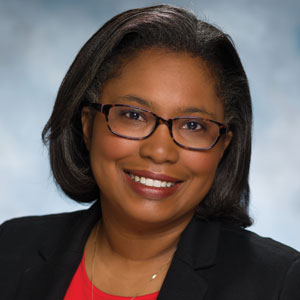
Sound Advice
Winter 2019/2020vol 09 | issue 04
Experts offer advice on parenting a child who has had cancer, what to look for in a primary care provider, and peripheral neuropathy. -

Q&A
Coming of AgeDrawing on her own experiences as a teenager who learned her mother had pancreatic cancer, Marisa Bardach Ramel urges adolescents in similar situations to embrace all emotions—even the ugly ones.
by Marci A. Landsmann
-
 Secure Connections
Patients find each other online and get support they say is unparalleled, but with openness comes concern about privacy.
by Kate Yandell
-

Healthy Habits
Step to ItInexpensive fitness trackers offer an easy way to monitor physical activity.
by Carisa D. Brewster
Legislation to speed cancer drug development for children and adolescents requires drug companies to test drugs in children, but trials in people under 18 may take years to generate results.
by Marci A. Landsmann
Understanding Stress and CancerA symposium at the AACR Annual Meeting explores how social factors contribute to elevated risk of cancer in some populations.
by Eric Fitzsimmons
Exploring Amino Acids’ Impact on Tumor GrowthResearchers are investigating how to match specific dietary changes with therapy to impede cancer progression.
by Thomas Celona
Study Shows Minority Participation in Clinical Trials May Be DecliningResearcher speculates that costly genetic testing may be limiting outreach to underserved communities.
by Marci A. Landsmann
-
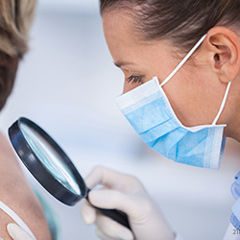 Using Lymphocytes to Attack Tumors
Sooner rather than later may be the best strategy for using an experimental treatment for advanced melanoma.
-
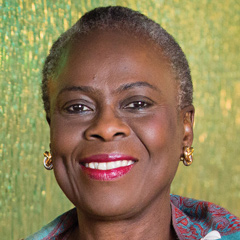 Closing Disparities Through Genetic Testing
Olufunmilayo Olopade seeks widespread use of testing to encourage prevention and early detection of deadly cancers.
Learning Medicare’s ABCDs
