Treatment
-
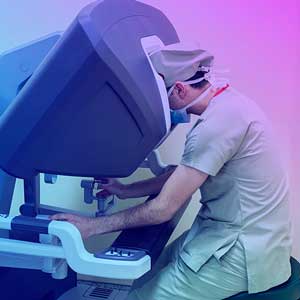 Robotic Surgery and Cancer
Using robotic assistants for cancer surgery has become commonplace. Whether cancer patients benefit when a surgeon uses a robot remains unclear.
by Sue Rochman
-

From the Editor-in-Chief
Cancer Epigenetics: Disorganization Drives DysfunctionEmerging insights into epigenetic abnormalities in cancer cells may lead to better cancer outcomes.
by William G. Nelson, MD, PhD
-
 Cancer and Older Adults: Can Oncologists Do Better?
Geriatric assessment reduces toxicity from treatment and improves quality of life in older adults with cancer.
by Marci A. Landsmann
-

Forward Look
Cryoablation May Be a Treatment Option for Some PatientsProcedure uses extreme cold to kill cancer cells.
by Christina Bennett
-
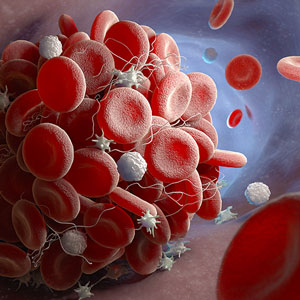
Forward Look
More Options to Prevent Blood Clots in High-Risk Cancer PatientsUpdated guidelines support use of oral blood thinners.
by Jane Langille
-
 Why Skip a Dose?
A survey of over 1,000 breast cancer patients prescribed endocrine therapy sheds light on low adherence.
by Emma Yasinski
-
 Cancer Care Moves Forward Amid COVID-19
Following the arrival of the coronavirus in the U.S., people with cancer and their doctors are adjusting to new ways of doing things while continuing to seek and provide cancer care.
by Kate Yandell
-

Q&A
A Different MountaintopScience writer Charles Graeber describes how a shift in researchers' understanding of immune function and cancer is leading to effective treatments.
by Marci A. Landsmann
-
 Trials Interrupted
COVID-19 slowed or stopped enrollment in some cancer clinical trials.
by Kate Yandell
-

Forward Look
New Guidelines for Radiation Therapy in Pancreatic CancerRecommendations address conflicts and research gaps.
by Ashley P. Taylor