Treatment
-
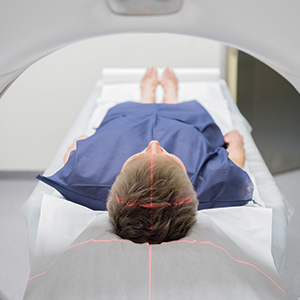 Keeping an Eye on Cancer
Imaging tests for post-treatment surveillance may come with radiation exposure, financial strain, “scanxiety” and sometimes unnecessary follow-ups. Doctors and patients need to balance the risks and benefits of scanning.
by Charlotte Huff
-
 HIV Can Worsen Cancer Treatment Outcomes
People with HIV who develop certain cancers are more likely to die from them than patients without HIV—even if they receive similar treatment.
by Jon Kelvey
-
 More Options for Rare Cancers
Precision medicine and immunotherapy offer opportunities for new treatments and clinical trials to patients who previously had few, if any, options.
by Kendall K. Morgan
-
 The Patient Perspective
Patient-reported outcomes may help shape the future of cancer care.
by Stephen Ornes
-

Q&A
Hope Amid the HypeHematologist-oncologist David Scadden traces the history, promise and uncertainties of treatment advances in Cancerland: A Medical Memoir.
by Marci A. Landsmann
-
 Immunotherapy in the Elderly
Immune checkpoint inhibitors can be effective treatments for elderly people with some types of advanced cancer, but more information is needed on their risks and benefits in this group.
by Emma Yasinski
-
Forward Look
A Matter of AgeCell and molecular biologist Ashani Weeraratna discusses how older patients respond to immunotherapy.
by Sue Rochman
-

Forward Look
Treating Head and Neck Skin CancersA study suggests high-risk patients do not need chemotherapy.
by Stephen Ornes
-

Forward Look
Breaking Down Breakthrough Cancer TherapiesDrugs approved through this pathway may have limited evidence.
by Lindsey Konkel
-
 Proton Therapy Is Associated With Reduced Side Effects
When combined with chemotherapy, the newer form of radiation comes with fewer severe side effects than standard radiation therapy, a study suggests.
by Sue Rochman