

-
 What Is Tumor Mutational Burden?
The Food and Drug Administration approved an immunotherapy drug for tumors with high tumor mutational burden regardless of tumor type. But some medical oncologists say it's not clear the biomarker is valid across all cancer types.
by Anna Azvolinsky
-

From the Editor-in-Chief
Cancer in Minority PopulationsPaying attention to the social determinants of health will promote greater equity in cancer outcomes for all.
by William G. Nelson, MD, PhD
-
 Taking Drug Dosing Off Autopilot
Patient advocates with metastatic breast cancer argue that dosing of treatments for their disease should be more personalized and take into account quality of life.
by Marcus A. Banks
-
 More Choices to Treat Lung Cancer
Advances in precision medicine and immunotherapy have led to better treatments for many patients with advanced lung cancer. But having a wider selection of therapies to choose from can make treatments more complex.
by Kendall K. Morgan
-

Forward Look
Creating More Inclusive Clinical TrialsThe Clinical Treatment Act aims to include more Medicaid recipients.
by Jen Tota McGivney
-

Healthy Habits
Ripe for the PickingAwareness of the link between cancer risk and a diet lacking fruits and vegetables has been declining.
by Carisa D. Brewster
-

Forward Look
Cancer Screening for the LGBTQ CommunityFear of discrimination may lead to lower screening rates.
by Tara Santora
-
Forward Look
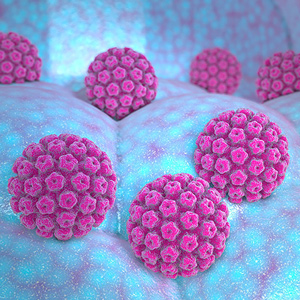
What’s NextA therapeutic vaccine targeting advanced cervical cancer.
by Anna Azvolinsky
-
 Targeted Therapy for Early-Stage Lung Cancer?
A trial of the targeted therapy Tagrisso (osimertinib) for early-stage lung cancer finds that patients who take it go longer without having a cancer recurrence. Whether that should change clinical practice is under discussion.
by Ashley P. Taylor
-
 Worth the Wait
Neoadjuvant therapy—using treatments such as chemotherapy, hormone therapy or radiation to shrink a tumor or treat unseen metastases before surgery—can improve outcomes for some patients.
by Sharon Tregaskis
Legislation to speed cancer drug development for children and adolescents requires drug companies to test drugs in children, but trials in people under 18 may take years to generate results.
by Marci A. Landsmann
Understanding Stress and CancerA symposium at the AACR Annual Meeting explores how social factors contribute to elevated risk of cancer in some populations.
by Eric Fitzsimmons
Exploring Amino Acids’ Impact on Tumor GrowthResearchers are investigating how to match specific dietary changes with therapy to impede cancer progression.
by Thomas Celona
Study Shows Minority Participation in Clinical Trials May Be DecliningResearcher speculates that costly genetic testing may be limiting outreach to underserved communities.
by Marci A. Landsmann
-
 Using Lymphocytes to Attack Tumors
Sooner rather than later may be the best strategy for using an experimental treatment for advanced melanoma.
-
 Closing Disparities Through Genetic Testing
Olufunmilayo Olopade seeks widespread use of testing to encourage prevention and early detection of deadly cancers.
Learning Medicare’s ABCDs
