
-

Forward Look
What’s Next?Using fecal transplants to improve immunotherapy response
by Natalie Slivinski
-
Q&A
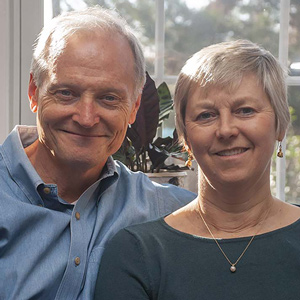
Cancer, From the Other SideWhen Liza Marshall was diagnosed with stage III breast cancer, she and her husband, oncologist John Marshall, had to chart new waters.
by Marci A. Landsmann
-
 How Long Do Immunotherapy Side Effects Last?
For people with melanoma who receive immune checkpoint inhibitors after surgery, side effects can remain even after treatment has been completed. These chronic side effects are most often mild.
by Anna Goshua
-

Facts and Stats
Categorizing Skin CancerA knowledge of the different types of skin cancer can help you remain vigilant.
by Bradley Jones
-

Get Involved
Bringing Joy to the Pediatric WardStudents Lara Jabbour and Nazanin Nayeri work to cheer up hospital staff and patients.
by Bradley Jones
-
 Chemobrain: It’s Not Your Imagination
Scientists discussed the mechanisms of chemotherapy-related cognitive impairment at a session dedicated to symptom science at the AACR Annual Meeting 2021.
by Marci A. Landsmann
-
Survivor Profile
Breaking Down BarriersCancer researcher Vicky Forster draws from her own experience with childhood leukemia to emphasize patient voices in cancer research.
by Bradley Jones
-
 Searching the Blood for Signs of Altered Immunity
The immune systems of people with blood cancer respond differently to infection with the coronavirus than the immune systems of people without cancer or with solid tumors.
by Kate Yandell
-
 March 26: The Week in Cancer News
Underrepresentation of members of minority groups in public genomic databases could lead to misleading test results, and a study provides new insight into how melanoma metastasizes.
by Bradley Jones
-

From the Editor-in-Chief
Cancer in Adolescents and Young AdultsPatients in this age group have particular needs, and cancer centers are beginning to tailor programs for them.
by William G. Nelson, MD, PhD
Legislation to speed cancer drug development for children and adolescents requires drug companies to test drugs in children, but trials in people under 18 may take years to generate results.
by Marci A. Landsmann
Understanding Stress and CancerA symposium at the AACR Annual Meeting explores how social factors contribute to elevated risk of cancer in some populations.
by Eric Fitzsimmons
Exploring Amino Acids’ Impact on Tumor GrowthResearchers are investigating how to match specific dietary changes with therapy to impede cancer progression.
by Thomas Celona
Study Shows Minority Participation in Clinical Trials May Be DecliningResearcher speculates that costly genetic testing may be limiting outreach to underserved communities.
by Marci A. Landsmann
-
 Using Lymphocytes to Attack Tumors
Sooner rather than later may be the best strategy for using an experimental treatment for advanced melanoma.
-
 Closing Disparities Through Genetic Testing
Olufunmilayo Olopade seeks widespread use of testing to encourage prevention and early detection of deadly cancers.
Learning Medicare’s ABCDs
