

-
 The Puzzle of Pancreatic Cancer
Pancreatic cancer remains a difficult disease to treat and is expected to be the second leading cause of U.S. cancer-related deaths by 2030. Researchers hope clinical trials and insights into the genetics of the disease will reverse the trend.
by Kendall K. Morgan
-

Advocacy in Action
Leaving a LegacyTwo mothers, each with a son who died of brain cancer, worked together to increase awareness and acceptance of tumor tissue donation.
by Esther Landhuis
-

From the Editor-in-Chief
Human Papillomavirus Vaccines: Bad News, Good News and Great NewsIncreased vaccination rates can help reduce cervical cancer as a worldwide health threat.
by William G. Nelson, MD, PhD
-
 Tumor Testing May Help Guide Pancreatic Cancer Treatment
For a small group of pancreatic cancer patients who were able to receive therapies targeting the molecular alterations in their tumors, these matched therapies were associated with longer life.
by Cheryl Platzman Weinstock
-
 Facing Cancer and a Pandemic at the Same Time
Cancer patients and their families share stories of fear, love and uncertainty as they find new ways to support each other.
by Jen Tota McGivney
-
 Virtual Connection in a Time of Social Distance
Responding to the coronavirus, patient advocates and nonprofits expand existing outreach initiatives and launch new ones.
by Marci A. Landsmann
-
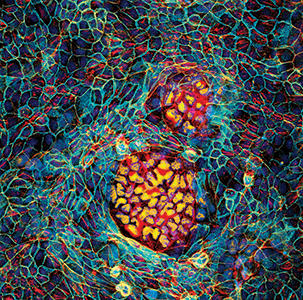 Turning Up the Heat on Cancer
Researchers are working to expand the benefits of immunotherapy by making “cold” tumors “hot” so they can respond better to treatments.
by Kendall K. Morgan
-
 Secure Connections
Patients find each other online and get support they say is unparalleled, but with openness comes concern about privacy.
by Kate Yandell
-
 A Unified Strategy
A couple who lost their daughter to brain cancer builds a charity that connects parents, hospitals and researchers with data.
by Marci A. Landsmann
-
 BRCA: Who Should Be Tested?
Genetic testing for mutations in the BRCA1 and BRCA2 genes creates opportunities for cancer risk reduction. But 25 years after the mutations were discovered, some who could benefit from testing are still left out.
by Sue Rochman
Legislation to speed cancer drug development for children and adolescents requires drug companies to test drugs in children, but trials in people under 18 may take years to generate results.
by Marci A. Landsmann
Understanding Stress and CancerA symposium at the AACR Annual Meeting explores how social factors contribute to elevated risk of cancer in some populations.
by Eric Fitzsimmons
Exploring Amino Acids’ Impact on Tumor GrowthResearchers are investigating how to match specific dietary changes with therapy to impede cancer progression.
by Thomas Celona
Study Shows Minority Participation in Clinical Trials May Be DecliningResearcher speculates that costly genetic testing may be limiting outreach to underserved communities.
by Marci A. Landsmann
-
 Using Lymphocytes to Attack Tumors
Sooner rather than later may be the best strategy for using an experimental treatment for advanced melanoma.
-
 Closing Disparities Through Genetic Testing
Olufunmilayo Olopade seeks widespread use of testing to encourage prevention and early detection of deadly cancers.
Learning Medicare’s ABCDs
